
A projector that looks spectacular in a dark demo room can look flat, washed out, or frustrating in your living room. That is why the best projector for home theater is not simply the one with the biggest resolution number or the lowest sale price. It is the one that matches your room, your viewing habits, and the way you actually want to watch.
For some households, that means a portable projector that moves from the bedroom to the backyard. For others, it means a bright living-room setup that stays visible with lamps on and shades open. The wrong purchase starts with a flashy spec sheet. The right one starts with a few honest questions.
Start With the Room, Not the Projector
Home theater means different things in different homes. A dedicated, light-controlled media room gives almost any capable projector a fair chance. A sunny family room, a small apartment bedroom, and a near-wall setup each demand a different approach.
First, look at ambient light. If you mainly watch movies after dark with curtains closed, you can prioritize black levels, color accuracy, and cinematic contrast. If the projector will replace a TV in a busy living room, brightness moves up the list. Daytime sports, cartoons, and casual streaming need enough real light output to keep the picture looking punchy rather than gray.
Then consider placement. Traditional projectors sit several feet from the wall or screen. That can work beautifully from a ceiling mount, a shelf, or a rear table, but it requires clear throw distance and cable planning. Ultra-short-throw projectors sit close to the wall and create a large image from just inches away. They are a smart answer for tight rooms, TV-console installations, and homes where nobody wants a projector hanging overhead.
Finally, decide whether the system will stay put. A fixed home theater can justify a ceiling mount, a dedicated screen, and external speakers. A bedroom or apartment setup may benefit more from battery power, wireless streaming, compact size, and fast setup. Convenience is not a minor feature if it determines whether you use the projector three nights a week or leave it in a closet.
The Brightness Myth That Ruins Good Purchases
The projector market is crowded with listings that promise enormous lumen figures at suspiciously low prices. Many use marketing terms that are not measured the same way as ANSI lumens, the recognized standard for projector brightness. A giant number on a listing does not automatically mean a bright, usable image.
Real-world brightness matters because it affects everything you see: color saturation, perceived contrast, detail in darker scenes, and whether the image survives a little room light. A dim projector can still be enjoyable in a truly dark bedroom. Put that same unit in a sunlit common room, and the picture will lose impact fast.
Do not buy brightness alone, either. More light is helpful for bright rooms, but poor optics, weak contrast, and inaccurate color can still make an image look unpleasant. The goal is balanced performance for your space. This is why trustworthy retailers test projectors in actual viewing conditions instead of repeating factory claims.
For a darker room, look for a projector known for natural color and good black-level performance. For a living room, prioritize verified brightness and pair it with a screen chosen for the room. For daytime viewing, consider a bright-room projector and an ambient-light-rejecting, or ALR, screen. The screen is not an afterthought. It is part of the image system.
Best Projector for Home Theater: Choose by Use Case
Bedroom and apartment cinema
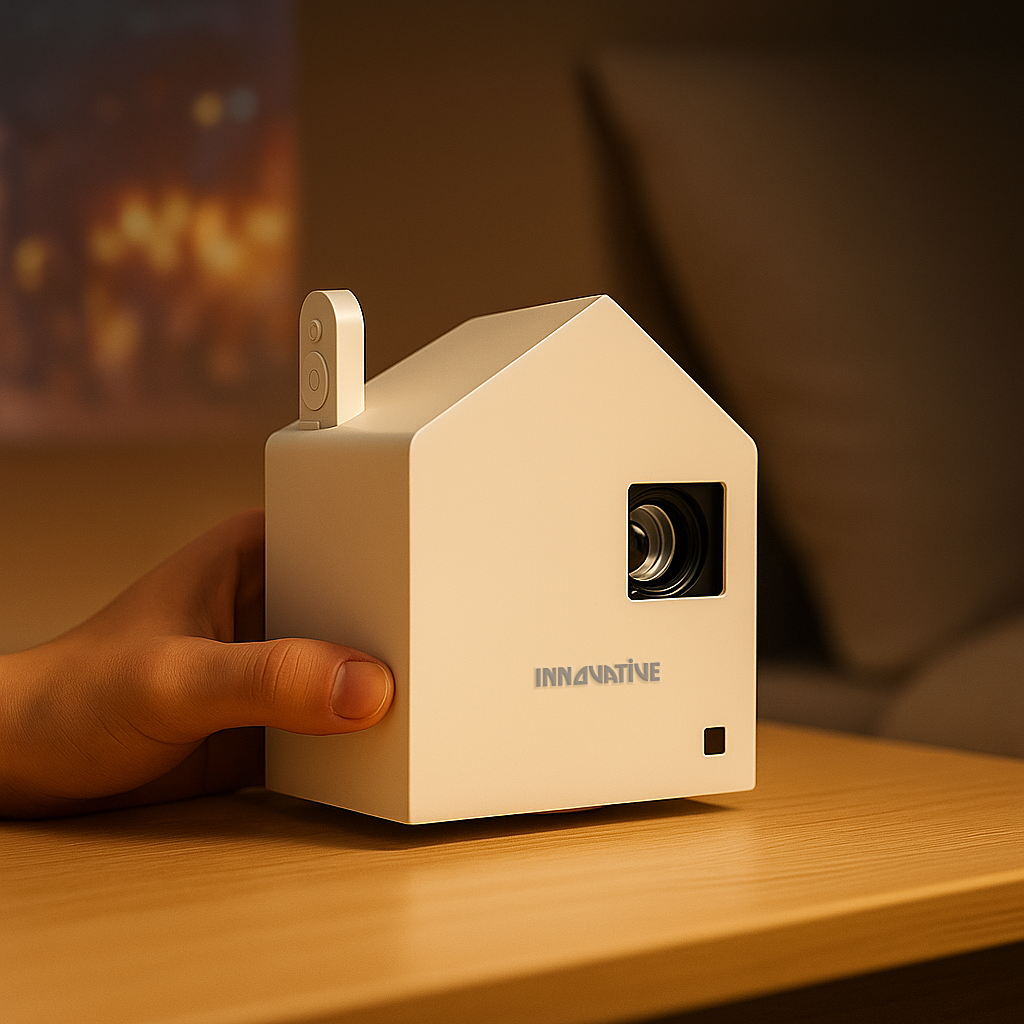
A bedroom projector should feel easy, not like a weekend installation project. Look for compact dimensions, quiet operation, built-in streaming options or simple HDMI connectivity, and flexible image adjustment. Autofocus and auto-keystone features can help when moving between rooms, although physical placement is always better than relying heavily on digital correction.
Battery capability can be especially useful for renters and casual viewers. It removes the need to build the room around an outlet and makes movie night more flexible. Just keep expectations realistic: battery-powered projection is built for portability and convenience, not for the highest brightness in a sun-filled room.
A portable screen is often a better choice than projecting onto a beige wall. Walls add texture, shift color, and reduce perceived detail. Even an entry-level proper screen creates a more consistent image and gives your setup a finished look.
Premium living-room cinema
For a living room where the projector will be used often, build around the room's light conditions and furniture layout. A brighter projector is usually the sensible starting point, especially if family members watch at different times of day. Add a fixed-frame, motorized, or ALR screen depending on whether the screen needs to disappear when not in use.
Ultra-short-throw projection makes particular sense here. It can create a large image from a low cabinet close to the wall, reducing the chance that someone walks through the beam. But UST setups are less forgiving about screen flatness and alignment. A proper UST-compatible screen and careful installation make a visible difference.
If you choose a traditional projector, ceiling mounting offers the cleanest permanent result. It keeps the image aligned, avoids a coffee-table obstacle, and lets you run power and video connections more neatly. Measure throw distance before buying, not after the mount is installed.
Small rooms and near-wall setups
Small rooms are where buyers often make the costliest mistake: purchasing a conventional projector without checking how far back it needs to sit. A projector may technically produce a 100-inch image, but only from a placement point that lands in the middle of your bedroom.
Check the throw ratio and calculate the screen size your room can support. If space is limited, a short-throw or ultra-short-throw design can give you the big-screen experience without sacrificing the walkway. Also consider image size honestly. In a compact room, a slightly smaller, sharper, comfortable image is better than an oversized picture that forces everyone to sit too close.
Family movie nights and kids' viewing
For families, reliability and picture comfort matter more than gimmicks. Avoid cheap projectors that make exaggerated claims but deliver uneven brightness, noisy fans, fuzzy focus, and poor color. Those compromises turn a family purchase into a disposable one.
Choose a projector with stable focus, consistent brightness, and image controls that make setup repeatable. A proper screen helps the picture remain clear without pushing the projector into an overly harsh-looking image. You should also plan sound carefully. Built-in speakers are convenient for casual viewing, but a soundbar or speaker system makes dialogue much easier to follow when the room is busy.
Resolution, HDR, and Streaming: What Actually Matters
Native resolution matters more than a label that says a projector "supports 4K." Supporting a signal is not the same as displaying it at native 4K resolution. A good native 1080p projector can still look excellent at sensible screen sizes, particularly in a bedroom or portable setup. A true 4K projector becomes more valuable when you want a large screen, sit close enough to see fine detail, or build a premium living-room theater.
HDR is also more complicated than the box suggests. Projectors do not produce HDR in the same way high-end TVs do because they have different brightness and contrast limitations. Good HDR processing can improve highlights, color, and depth, but it cannot rescue a weak projector or a room full of daylight. Treat HDR as a performance feature to evaluate, not a reason to ignore brightness and room control.
Streaming deserves a practical check as well. Built-in apps are convenient, but app support changes over time. A projector with dependable HDMI input gives you the freedom to connect a familiar streaming device, game console, or Blu-ray player. Wireless casting is useful for quick sharing, but for movie nights and gaming, a stable direct connection is often the more dependable choice.
Do Not Underestimate Sound and Screen Choice
A larger image changes the scale of the experience. Sound needs to keep up. Built-in speakers can be enough for a bedroom episode or a portable backyard movie, but they rarely create the full impact of a home theater. If cinematic sound matters, plan for a soundbar, powered speakers, or an AV receiver before you finalize placement.
Screen selection should reflect both the projector and the room. A white matte screen is a strong all-around choice for controlled lighting. A gray or ALR screen may improve perceived contrast in rooms with ambient light, but it needs to be matched correctly to the projector and viewing angles. Screens are not universal accessories. The wrong screen can limit a good projector just as surely as the wrong projector can limit a good screen.
INNOVATIVE Projectors approaches this as a complete-room decision: projector, screen, mount, placement, and real viewing conditions. That is a more useful framework than chasing a single headline specification.
Buy for the Movie Night You Will Actually Have
Before you choose, picture a normal Tuesday evening. Are the lights dimmed or fully on? Is the projector on a shelf, a ceiling, or a media console? Will you carry it to another room? Are you watching films, gaming, sports, presentations, or all four? Those answers narrow the field faster than pages of technical jargon.
The best setup is the one that makes a big, clear image feel effortless in your home. Measure the room, respect ambient light, choose verified performance over inflated claims, and give the projector a screen and sound solution worthy of it. Then movie night becomes less about troubleshooting and more about pressing play.